
Choosing our energy supply together
We are working on solutions that will ensure that you can count on an affordable and reliable energy system in 2030. We are not only enabling the energy transition, but are also accelerating it as we head towards a climate-neutral Netherlands by 2050.
Our strategy sets out how we will make this happen and what we need from others to make it happen. After all, we cannot do it on our own. Together with our customers, partners, and public authorities, we are taking the steps that are needed.
Government
targets
The government has agreed that the Netherlands must eliminate its harmful CO2 emissions by 2050. To achieve this, by 2030 we already need to cut the CO2 we emit by 55%. If we can reduce our emissions by 60% by that point, so much the better.
This will require us to make major changes to our energy networks. And to do so against a background of shortages. We are faced with a shortage of technicians to carry out the work, there is not enough public space to build the many transformer stations and substations that will be needed, and the materials, such as cables, pipes and transformers, required to create the necessary infrastructure are also in short supply.
As a result, the waiting time for a connection has risen sharply and there have been significant delays to the work we need to perform on the networks. This is having a huge impact on our customers, housebuilding and the economy. And, if we are not careful, it will impact on the sustainability of the Netherlands too.
The
energy system
of the future
We don’t yet know what exactly the energy system will look like in 2050. One thing that is clear is that we will need to upgrade and expand our networks and also use them more effectively, for example by sharing energy on a local level.
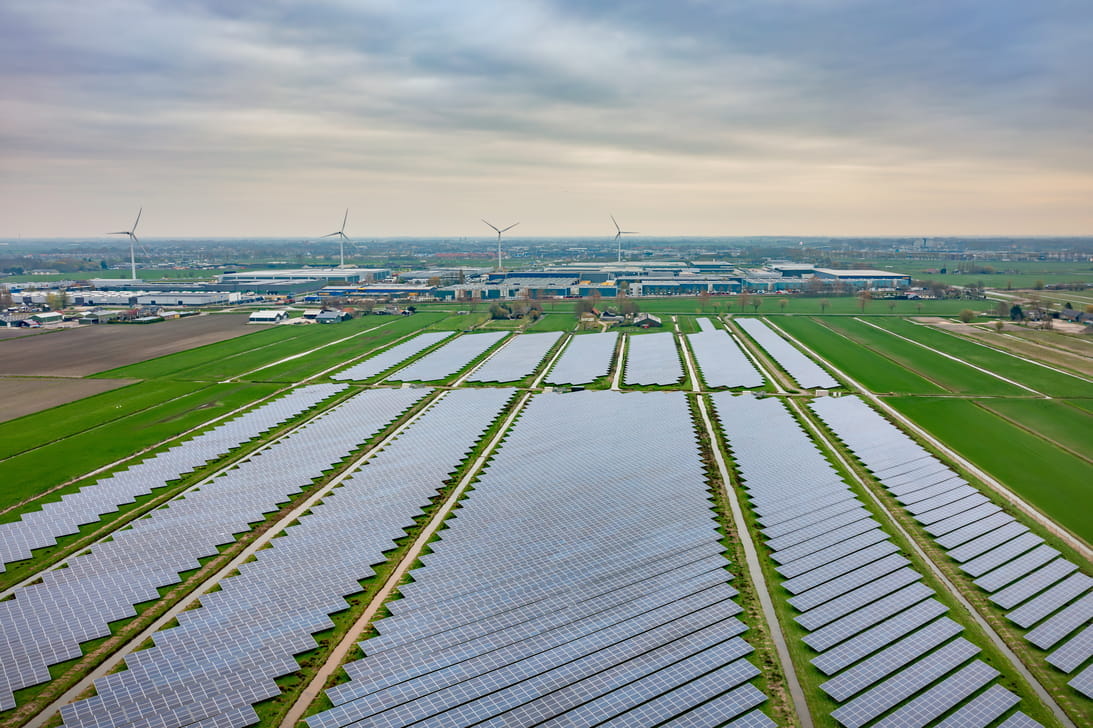
As we phase out natural gas, we will increasingly move towards a mix of electricity, heat, green gas and hydrogen. There will be a shift from a small number of energy sources (such as today’s gas-fired power stations) to an increasing number of local sources (such as wind turbines and solar panels).
That means the energy system will become a combination of different solutions. And that will require the government, the market and network operators to work together more effectively.
Alliander’s
strategy
Our strategy is the roadmap for achieving our goal for 2030 and contributing to the 2030 and 2050 climate targets. Making the switch to clean energy is a major change. We want to prevent our energy system from becoming a bottleneck to achieving our climate targets.
By 2030 we aim to offer customers solutions that contribute to an affordable and reliable energy system. Our focus is on expanding our energy networks, increasing the flexibility of the energy system and communicating efficiently with customers and partners.
Our strategy consists of 7 pillars with specific goals and steps that will help us achieve our aims for 2030 and ensure a sustainable energy supply in the future. With this strategy we are not only accelerating the energy transition, but also helping the Netherlands achieve climate neutrality by 2050.
Our
7 pillars
1. Excellent management
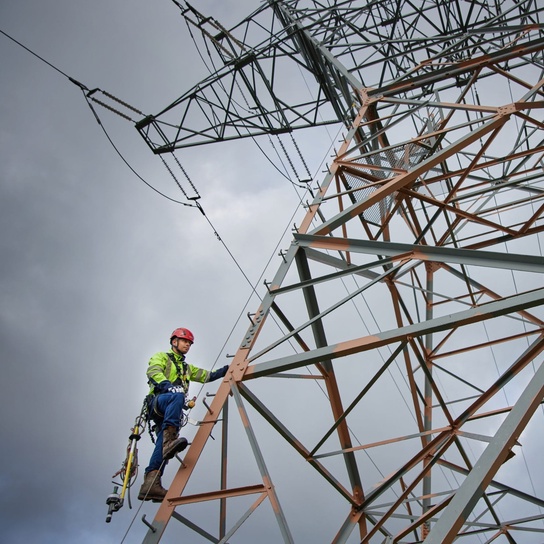
Optimising maintenance and improving customer service
Smart network maintenance and modern IT help us serve our customers better and stay a reliable partner.
Show more information
2. Reducing demand for transmission capacity
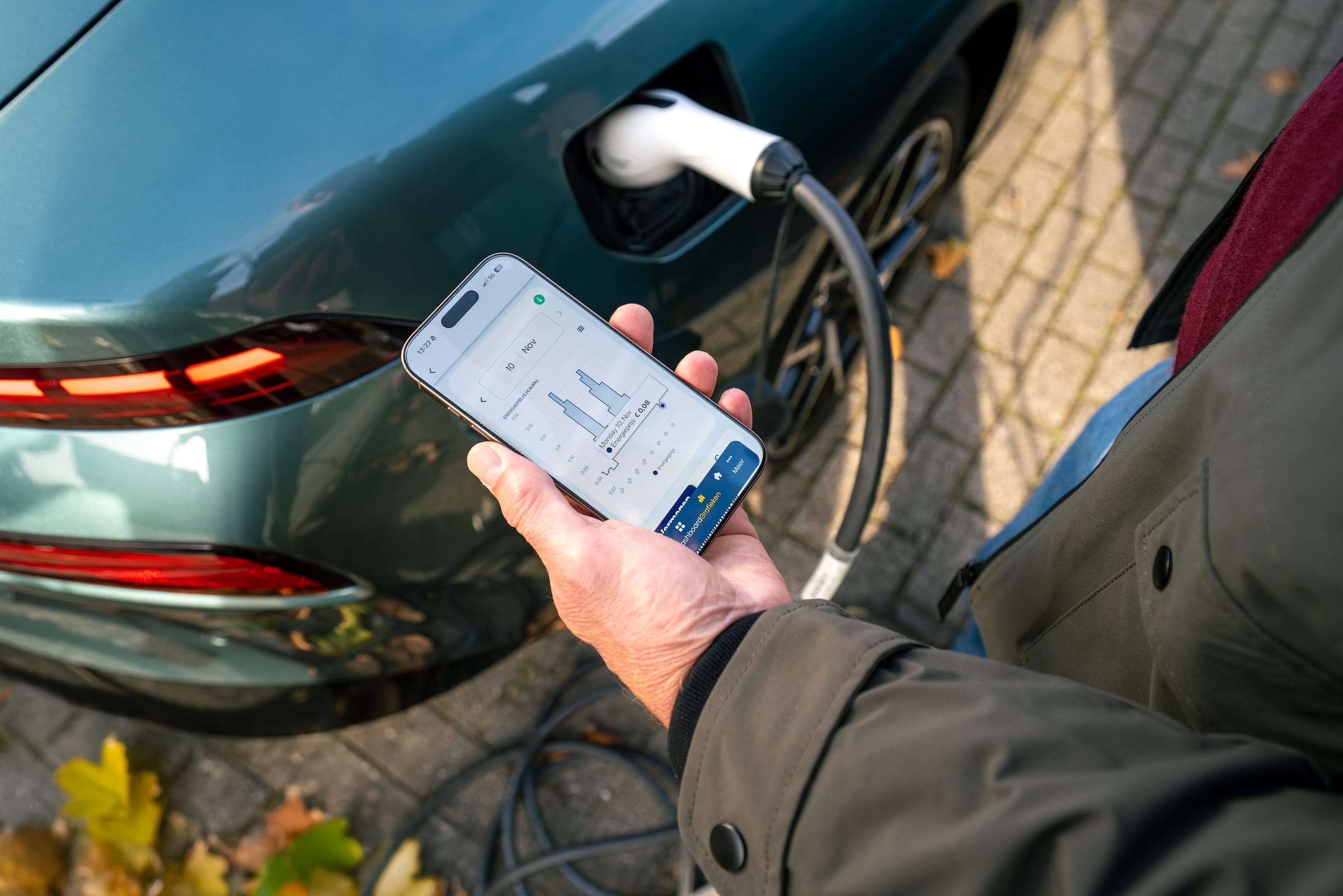
By helping people insulate their homes, use energy wisely, and choose efficient local solutions, we help reduce the demand for energy transport.
Show more information

3. Improving network use
By using digital technology, more flexible rules, and new connection and pricing options, we use the energy network more efficiently and prevent overload.
Show more information
4. Scaling up
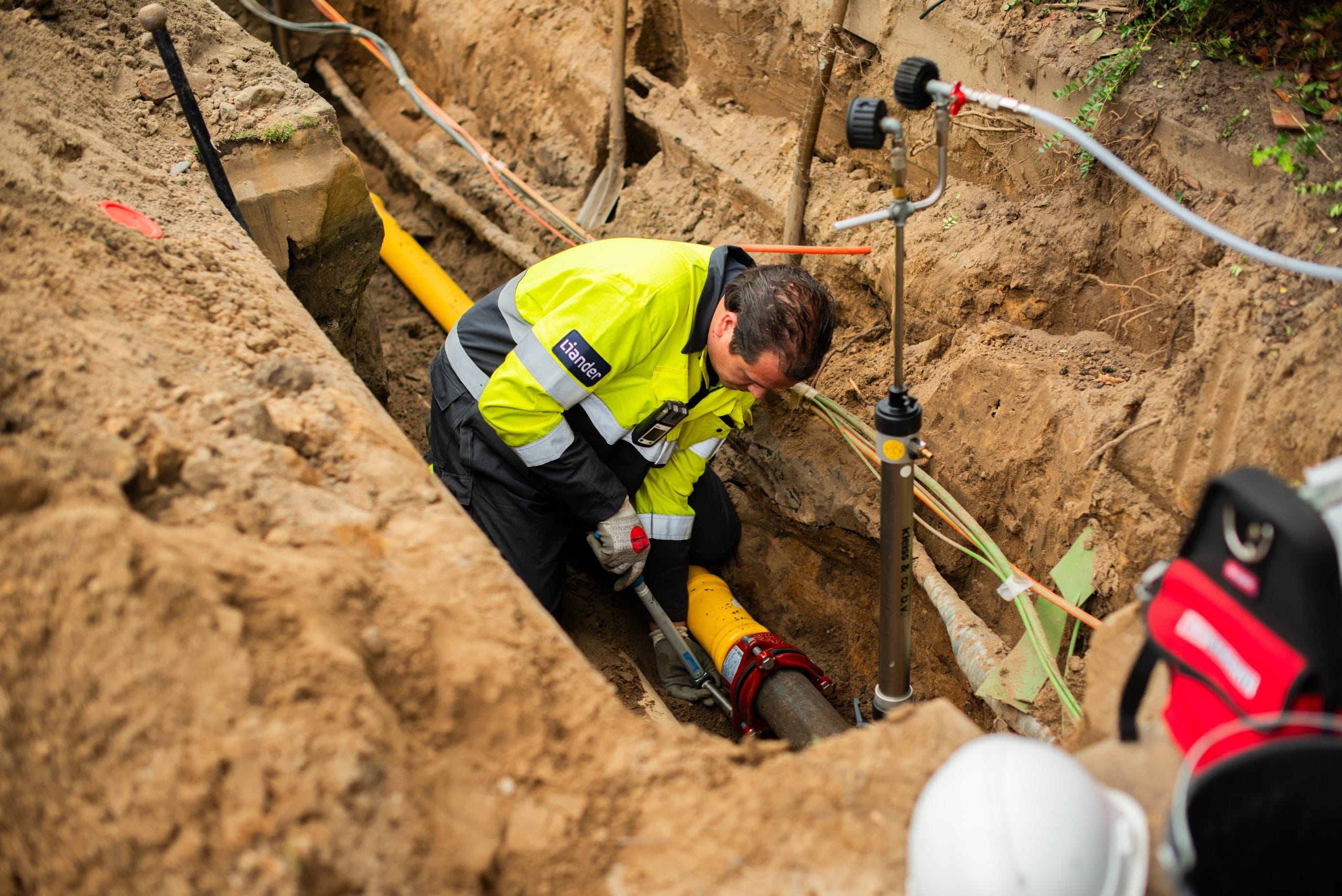
With area-based plans, close cooperation, and better processes, we speed up the building and strengthening of the energy infrastructure.
Show more information
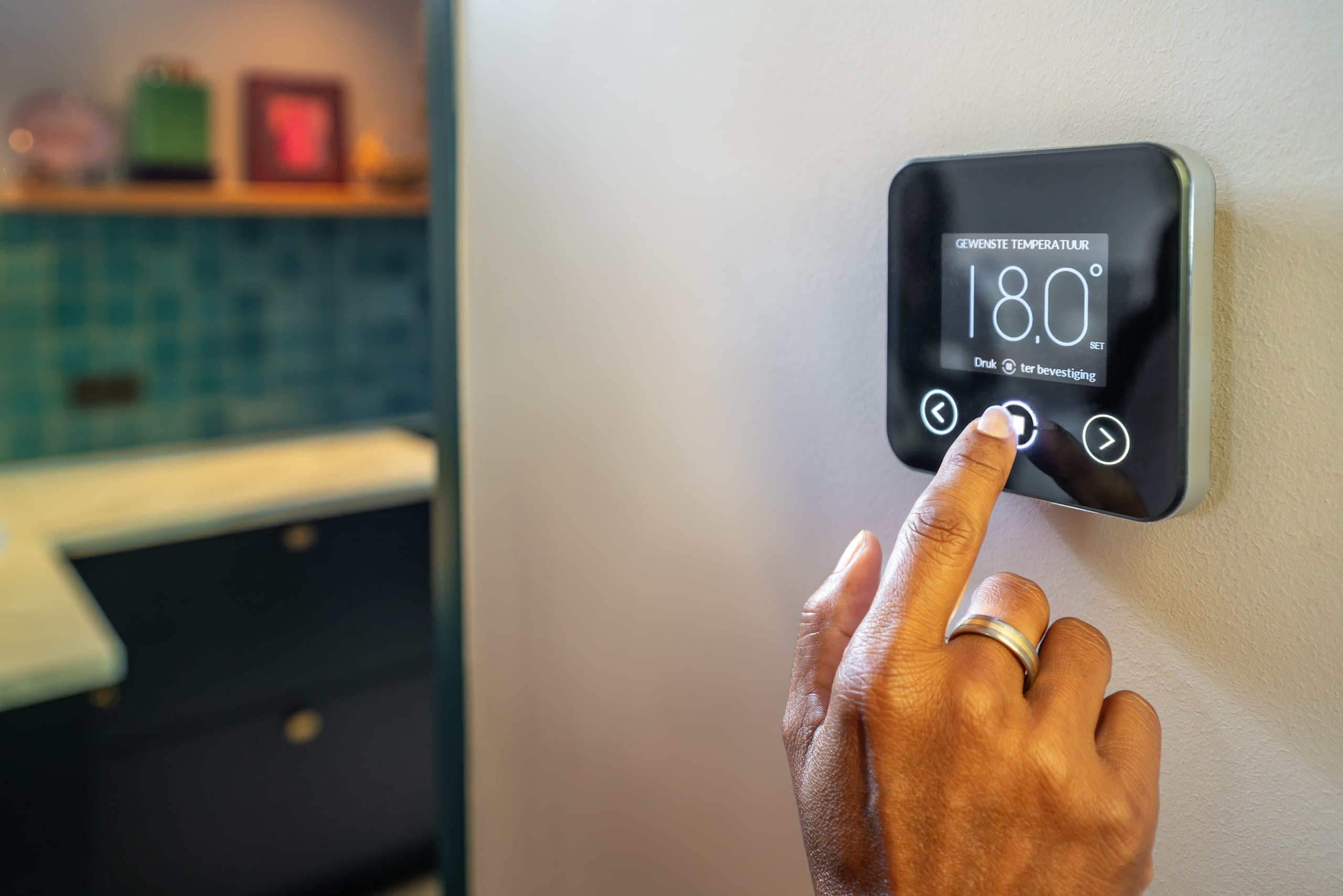
5. Sharing data and developing new market services
By sharing data, we help customers manage their energy use and make better choices.
Show more information
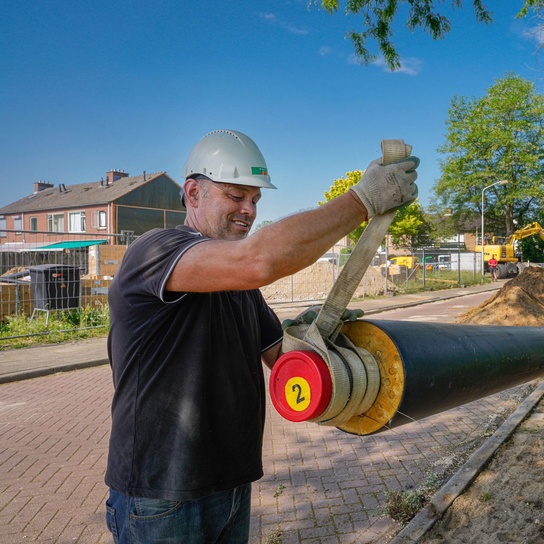
6. Developing infrastructure for heat and sustainable gases
We develop new infrastructure for hydrogen, green gas, and heat networks to make the energy system more sustainable and to reduce pressure on the electricity grid.
Show more information

7. Creating future-proof foundations
With an agile organisation, strong culture, and modern IT, we build a solid foundation for the future.