Robotics
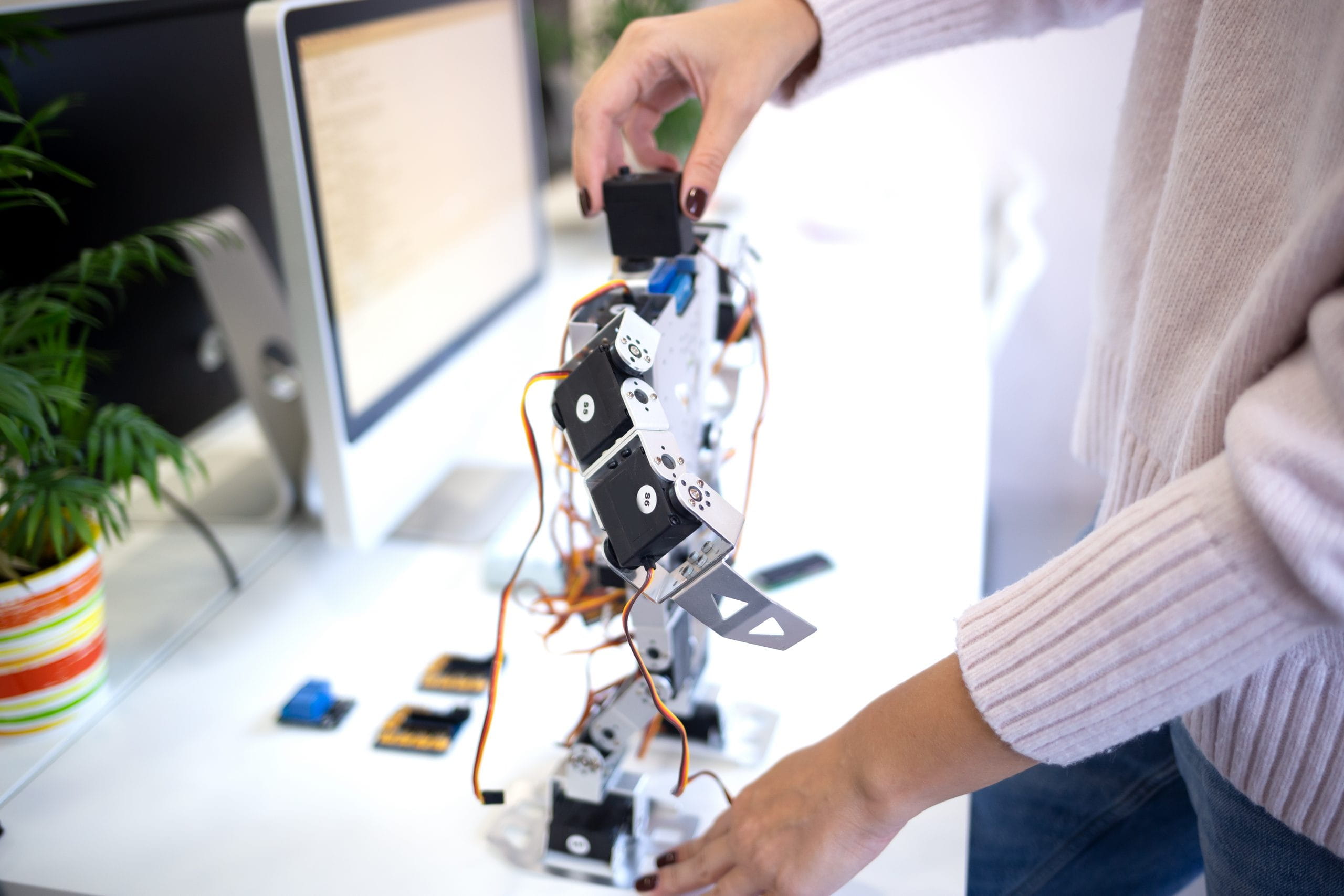
The energy transition means there is more and more and increasingly complex work to do on the energy system. At the same time, we are dealing with a shortage of technicians and safety still always has to come first. This has prompted Alliander to explore how robotics can help make the work smarter, safer, and easier to do.
Why
robotics?
We use robotics to support our professionals, not to replace them. By having humans and technology work together, we can get more work done, more easily absorb technical staff shortages, and ease the workload for our engineers and contractors. Robots can take care of repetitive, heavy and high-risk work, such as inspections at height. Robotics is not some futuristic prospect, we are already using it. It helps us keep the work safe and attractive.
In our
robotics lab
A new colleague
We are developing a robot workforce to absorb shortages of technical staff and perform our work faster and smarter. In 2027, we will introduce the first robots out in the field, with the ambition to multiply our work rate by three.
A new contractor
We are developing a new form of collaboration with contractors who are fully set up for robot-assisted work and fully certified to perform construction, inspection, and maintenance and fault detection work.
A new safety standard
We deploy robots to perform heavy and high-risk tasks remotely and, in some cases, without having to interrupt the power supply. This is how we improve safety, detect irregularities earlier, and bolster the grid’s reliability.
Robotics
FAQs
Alliander uses drones, robotic dogs, inspection robots and other robots. These technologies are used for visual inspections, fault detection, and to improve safety in the workplace.
The shortage of technicians is complicating our ability to perform all the work manually. Robotics may be able to take over tasks that are repetitive, dangerous or labour-intensive, thus keeping the work package feasible and the energy transition on track.
Robots have a capability to detect hazardous situations early and perform tasks in environments that pose risks to people. This will reduce the number of incidents and increase employee safety.
Yes, Alliander is working closely together with other network operators such as Enexis, Stedin, and Gasunie to drive innovations in robotics. These parties have expressed a joint intention to set up an industry-wide robotics lab. This lab is set to become a hub for knowledge sharing and innovative robotics solution development for the energy transition. Alliander has also teamed up with educational institutions such as Delft University of Technology and Saxion University of Applied Sciences, as well as with partners such as Qirion and TechForFuture. These collaborations are accelerating technological breakthroughs, such as inspection robots, drones and robotic dogs, and delivering scalable solutions that make the work process more efficient, safer, and smarter.
Robotics
in practice
CH4RISMA
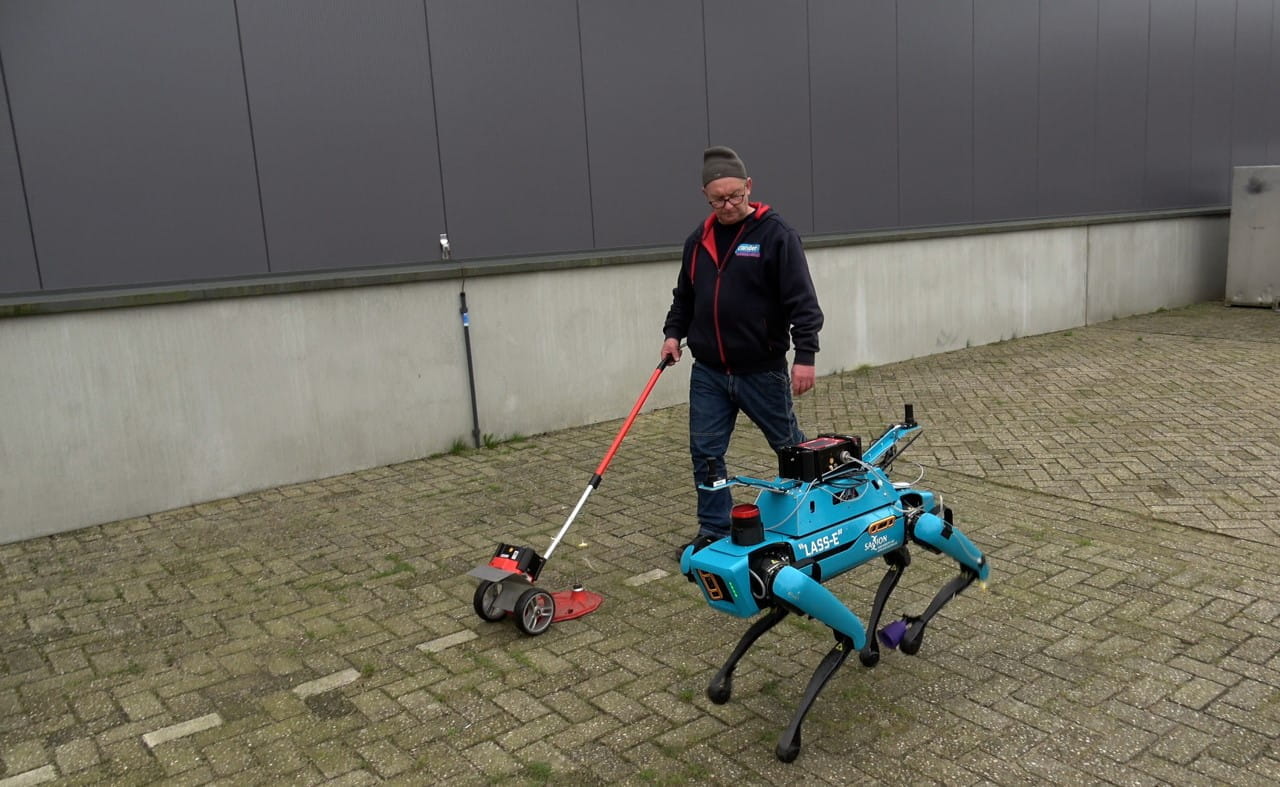
The CH4RISMA project saw us develop a state-of-the-art inspection robot, in collaboration with Gasunie and Saxion University of Applied Sciences. This robotic dog inspects underground pipelines and tracks down possible gas leaks using sensors, map data and GPS. Tests have already shown that this technology is effective.
Show more information
Drone inspections of substations
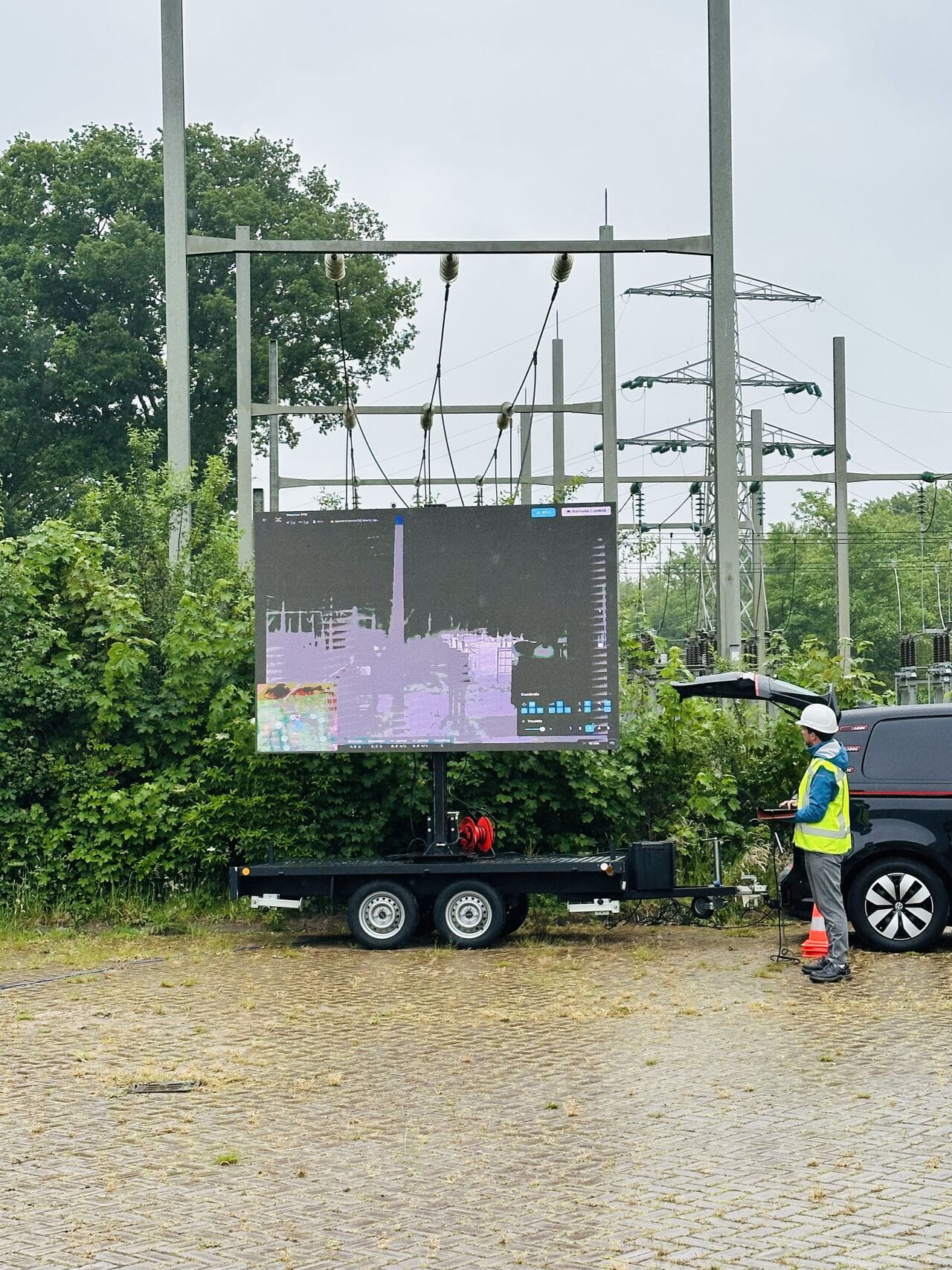
We are trialling the use of drones to inspect Liander substations. From a fixed drone dock, drones independently fly along predetermined routes. Using zoom cameras and thermal imaging, they are able to detect technical irregularities at an early stage.
Show more information
Interested in
working with our robotics lab?
Are you a start-up or scale-up with a robotics product or service that may be of interest to the network operator? Would you like to collaborate with the robotics lab and explore whether your idea is relevant for the industry? Get in touch with us and find out how we can support you.